Set the business priority first
The right freight option starts with what the shipment needs to achieve. Replenishing routine stock, replacing a production component and moving a large order can call for different plans, even when the destination is the same.
Provide the packed dimensions, weight, commodity and required arrival date. Explain the consequence of a late arrival, along with any handling restrictions. This gives your logistics coordinator the information needed to compare realistic options.
Consider road for regional door-to-door movements
For the Selangor–Singapore corridor, road transport connects collection and delivery sites through a land route. It can be considered for palletised goods, cartons and other suitable commercial cargo, with vehicle type and load arrangement matched to the shipment.
Ask whether a dedicated vehicle or a shared load suits your volume, schedule and handling needs. Check the full collection-to-delivery plan, including site appointments and border arrangements, instead of comparing driving time alone.
Compare air and ocean against the full timeline
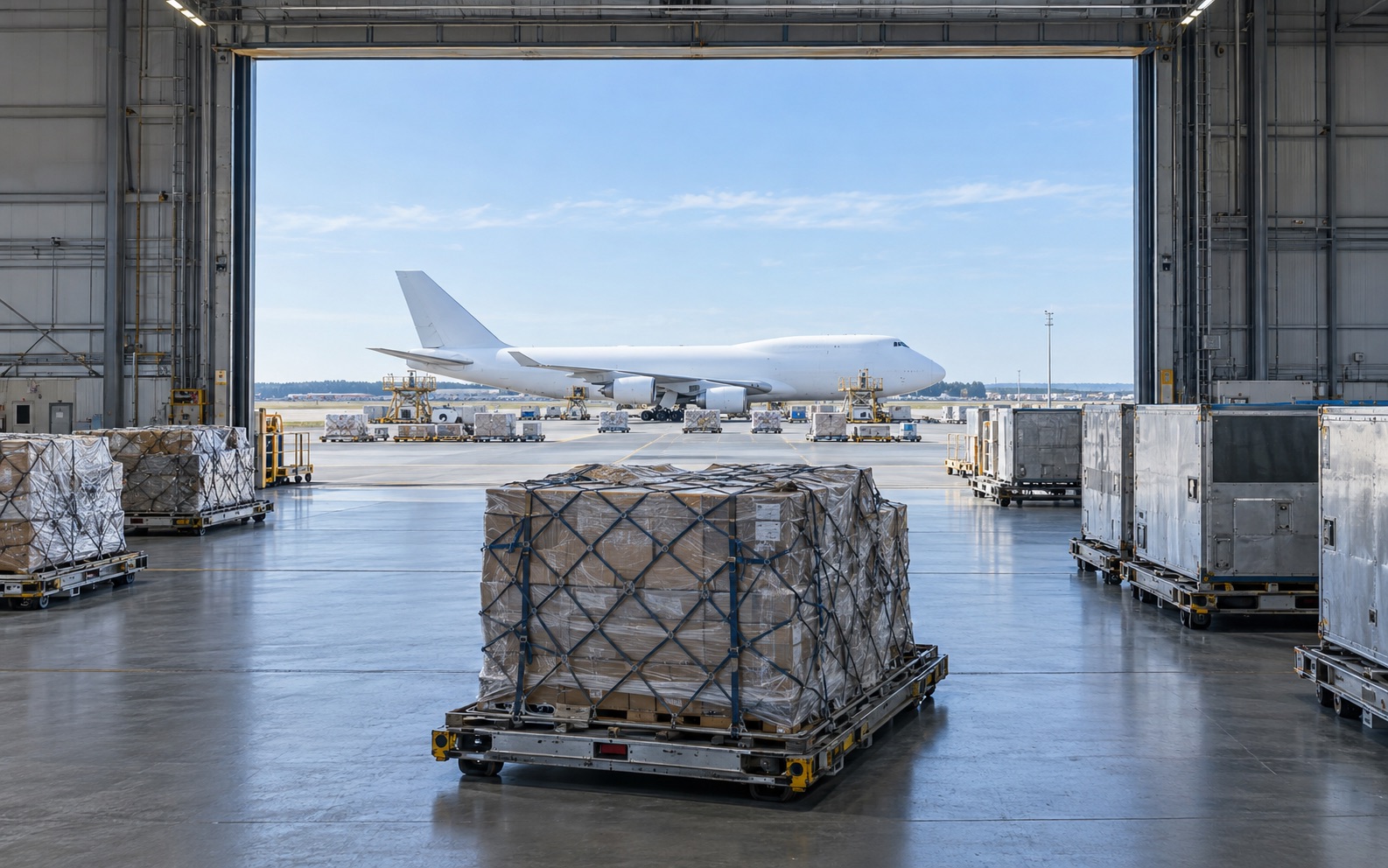
Air freight is often considered when urgency carries a high business value. Ocean freight is often considered for larger volumes and planned replenishment where the schedule allows. The right choice depends on the actual route, cargo acceptance, capacity and available services.
Include collection, terminal handling, documentation, clearance and final delivery in both comparisons. A flight duration or vessel transit time describes only one part of the journey.
Request quotations on the same basis
A useful comparison makes the included services and responsibilities clear. Review origin and destination handling, transport legs, storage conditions and any separately payable charges. Confirm how the rate changes if weight, dimensions or shipment dates change.
For a mixed-priority order, discuss whether an urgent portion should move separately while the balance follows another route. Confirm operational feasibility and compare the combined cost before deciding.
- What collection and delivery points are included?
- Which handling and clearance services are included?
- What schedule assumptions and cargo restrictions apply?
- Which charges are estimates or payable separately?